
I didn’t have the words for it, but I was going through a depressive episode — Amos
13 October 2024
Read Amos's story of overcoming a depressive episode and find hope in seeking help for your mental health.
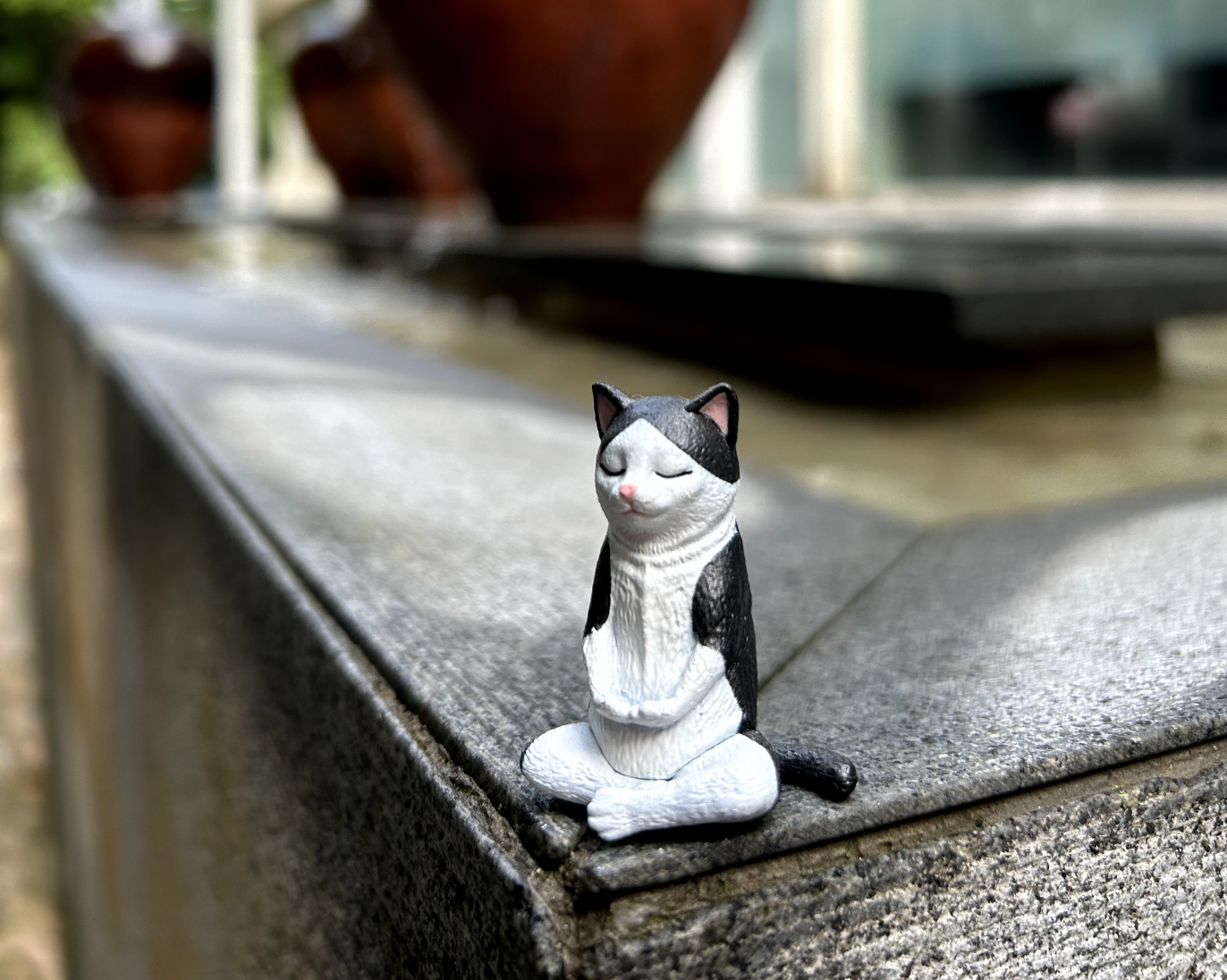
Everyone does self-care differently. For Amos, meditation is pretty much a must-do. This photo is taken outside one of the therapy clinics where he sought help.
Amos grew up in what he calls a ‘fairly typical’ Singaporean household–with just one tiny difference.
“My elder brother was diagnosed with autism,” he explained.
It was stressful for his parents, who devoted much of their energy and care to his brother’s condition. Growing up under such circumstances, Amos felt like he needed to be ‘The Perfect Son’. He felt the need to earn their love and affection.
“That’s where the high standards for myself came from,” he reflected.
For a time, pursuing those standards worked out. He did well in school. He excelled in sports. He wasn’t unhappy. It was only in Junior College and National Service that mental health symptoms began to surface. With poor grades and even poorer self-esteem, the best Amos could do was to ‘scrape through”.
“I didn’t have the words for it back then but, looking back, I think I was going through a depressive episode.”
In university, however, Amos was overwhelmed. It was one thing after another. First, his grandmother took her own life. Then, a freak accident claimed the life of a close family member. On top of his family turmoil, he was also going through relationship problems, whilst being socially isolated in the campus dorms.
Yet, despite these struggles, he tried his hardest to push through on his own.
“The reluctance to seek professional help came from thinking that it’s not severe enough to warrant that. To think that I’m just weak, I need to work harder, man up, buck up” he recalled.
At his lowest point, Amos found himself in the hospital’s emergency department after his mental health took a turn for the worse. Yet, even as Amos ‘didn’t know how to keep (himself) safe anymore’, he continued to worry about how the stigma surrounding mental illness might affect him in the future.
“I thought my world was over, life was ruined even if I recovered, there would be a mark in my records, and I didn't know how it would affect my career.”
It was not an overnight recovery. It wasn’t—by any standard—an easy process. However, with the right medication, psychotherapy, and support from his peers, he gained a clearer understanding of what he was going through and what he could do to help himself.
“It's having the vocabulary to articulate my thoughts. Being more open and sharing what I'm experiencing, how I'm feeling. Putting words to emotions and not being afraid to be vulnerable,” he recalled.
Today, Amos' journey with his mental health is still ongoing. He has good days and bad days, but he has learnt to manage them with self-care routines and practices he finds helpful.
Despite the setbacks, Amos came a long way. He shares his story of seeking mental health support, in the hopes that others will embrace their own experiences, learn and grow from it.
“The scientific evidence is clear that treatments will help. You are likely not the exception. Be open to trying it. Most importantly, you’re not alone, and you don’t have to do it alone.”
Got a story? Share it with us at aicrealspace.sg@gmail.com (opens in new tab) to lend strength to someone in need.